Yoga is often seen as a universal path to health, flexibility, and inner balance. It is associated with better posture, calmness, freedom of movement, and harmony with oneself. But in reality, not every yoga practice is equally beneficial for every person. What helps one person may cause strain, discomfort, or even worsen existing imbalances in another.
Today, many styles of yoga are marketed through intensity, deep stretching, complex asanas, and the pursuit of external results. However, from a wellness perspective, this approach does not suit everyone. The body does not need force. It needs precision, care, and thoughtful adaptation of load.
Why Traditional Yoga Practices Don’t Suit Everyone
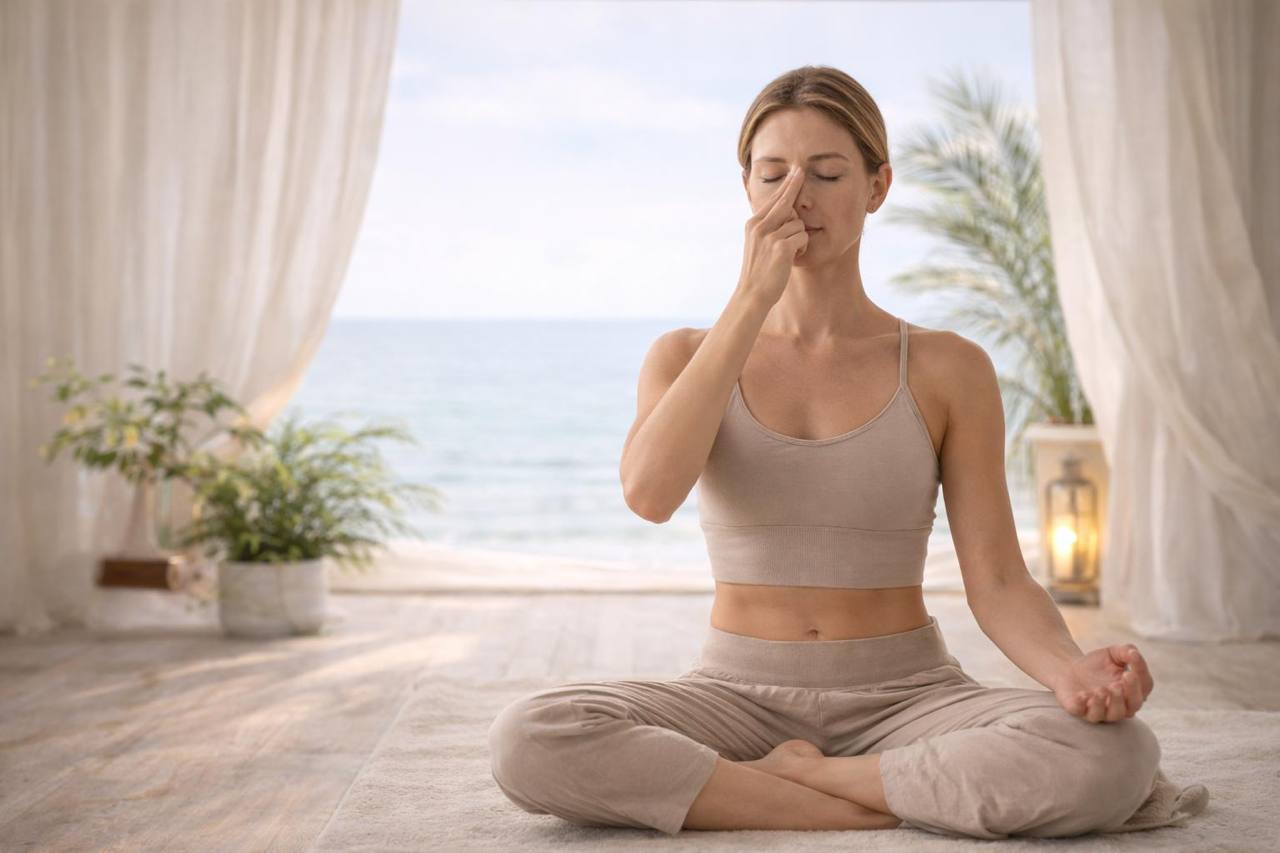 Many popular yoga styles place high demands on flexibility, joint mobility, coordination, and overall endurance. For some, this can be a source of energy and inspiration. For others, it becomes a source of excessive load — especially if there is already chronic tension, postural dysfunction, neck and lower back sensitivity, consequences of a sedentary lifestyle, fatigue, or reduced body awareness.
Deep stretching is not always beneficial. Intense load is not always about health. Even breathing techniques, if offered without considering a person’s condition, can overwhelm the nervous system rather than harmonize it.
Every body is unique. It has its own history, its own compensations, its own limitations, and its own pace of recovery. That is why a truly beneficial practice should begin not with form, but with understanding the body’s current state.
Yoga as a Path of Recovery, Not Endurance
In a wellness-oriented approach, yoga becomes especially valuable when it stops being a test of flexibility and becomes a method of restoring inner balance. In this format, it helps improve mobility, breathing, coordination, posture, and the overall state of the nervous system — without unnecessary strain.
The goal here is not to perform the most complex pose. The goal is to create conditions in which the body feels safer, freer, and more balanced.
It is in this context that a gentler and more mindful direction of practice becomes especially meaningful.
OsteoYoga as a Wellness-Oriented Style of Yoga
OsteoYoga is a gentle wellness-oriented approach that combines principles of mindful movement, careful mobilization, body sensitivity, breathing, and functional balance. Unlike practices built on effort and deep range of motion, OsteoYoga works through adapted, intelligent, and physiologically sound movement.
At the core of this approach lies an important principle: wholeness, movement awareness, and directed breathing.
In OsteoYoga, attention is given not only to stretching or the shape of a pose, but to the fact that the body functions as a unified system. The spine, joints, breathing, muscle tone, posture, and the inner sense of support are all considered in relationship to one another. Movements are selected to reduce excessive tension, improve natural mobility, and restore alignment between the body’s structure and its felt sense.
This is precisely why OsteoYoga can be considered one of the most gentle wellness-oriented yoga styles, with virtually no contraindications. The practice can be softly adapted to age, individual condition, tissue sensitivity, and overall fitness level.
Who Is OsteoYoga Especially Suited For
This approach can be especially helpful for those who:
- Experience tension in the neck, shoulders, or lower back
- Lead a sedentary lifestyle
- Cannot tolerate intense training formats
- Are looking for a gentler alternative to traditional classes
- Want to improve posture and movement quality
- Seek to reconnect with the body after stress and fatigue
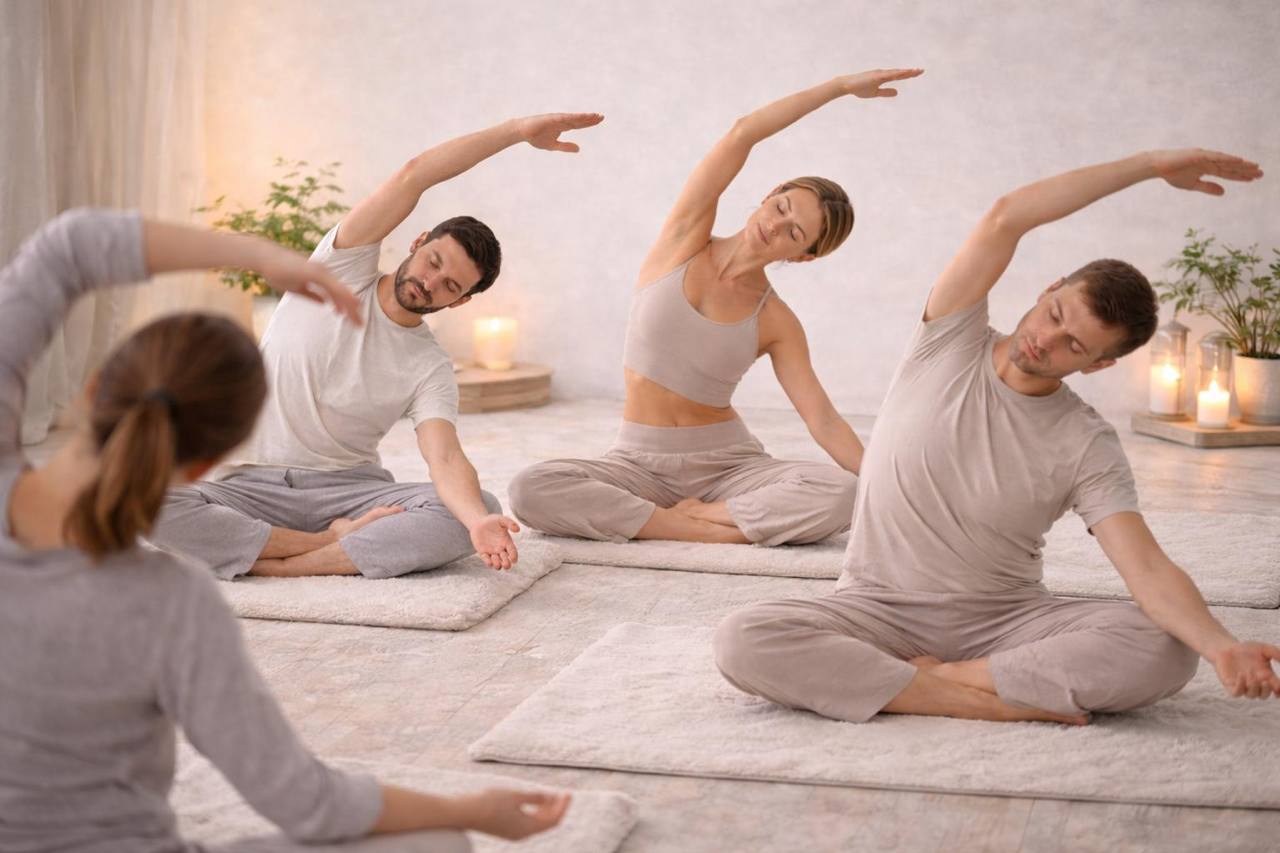
The Value of a Gentle Practice
A truly beneficial practice does not overload the body — it helps it reorganize more naturally.
When movement is precise, gentle, and adapted, the nervous system calms down, breathing becomes freer, posture becomes lighter, and the body regains its inner order.
The future of wellness practices lies not in extremes, but in subtlety. Not in overcoming the body, but in understanding its nature.
Conclusion
Yoga can be a powerful wellness tool, but only when the method matches individual capabilities and physiological characteristics. Not every style is universal, and not everyone benefits from intensity, deep stretches, and complex asanas.
OsteoYoga offers a different approach — gentler, more adaptive, and restorative. It is a direction in which yoga becomes not a test, but a practice of balance, sensitivity, and lasting well-being.