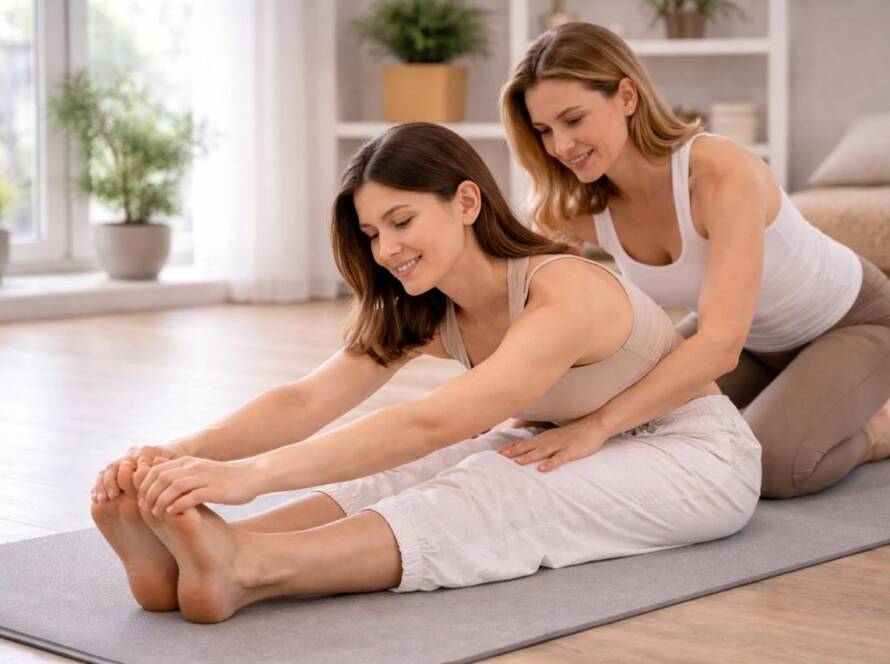
Massage and manual therapy are traditionally based on mechanical воздействие on the body’s tissues. A practitioner works with muscles, joints, or the spine through pressure, stretching, or structural adjustments. The assumption is that intensive manipulation leads to relaxation and restored mobility.
The biodynamic approach is fundamentally different.
Its purpose is not to “fix” the body from the outside or eliminate symptoms through force. Instead, it is based on the understanding that the human organism is a holistic system that already possesses its own internal mechanisms of self-regulation. Sometimes the body does not need intervention, but rather the right conditions for these mechanisms to emerge.
Biodynamic work is a deep and attentive form of contact that allows the body to return to its natural organization. The practitioner does not work directly with pain or treat tension as a problem in itself. Attention is directed toward areas of resource — places in the body where movement, vitality, and the inner rhythm of the organism are still present.
Through these “fulcrums of health,” the body begins to reorganize itself. Often, even the lightest touch can create a profound effect. Relaxation occurs not because of pressure, but because the nervous system stops defending itself and returns to a state of rest.
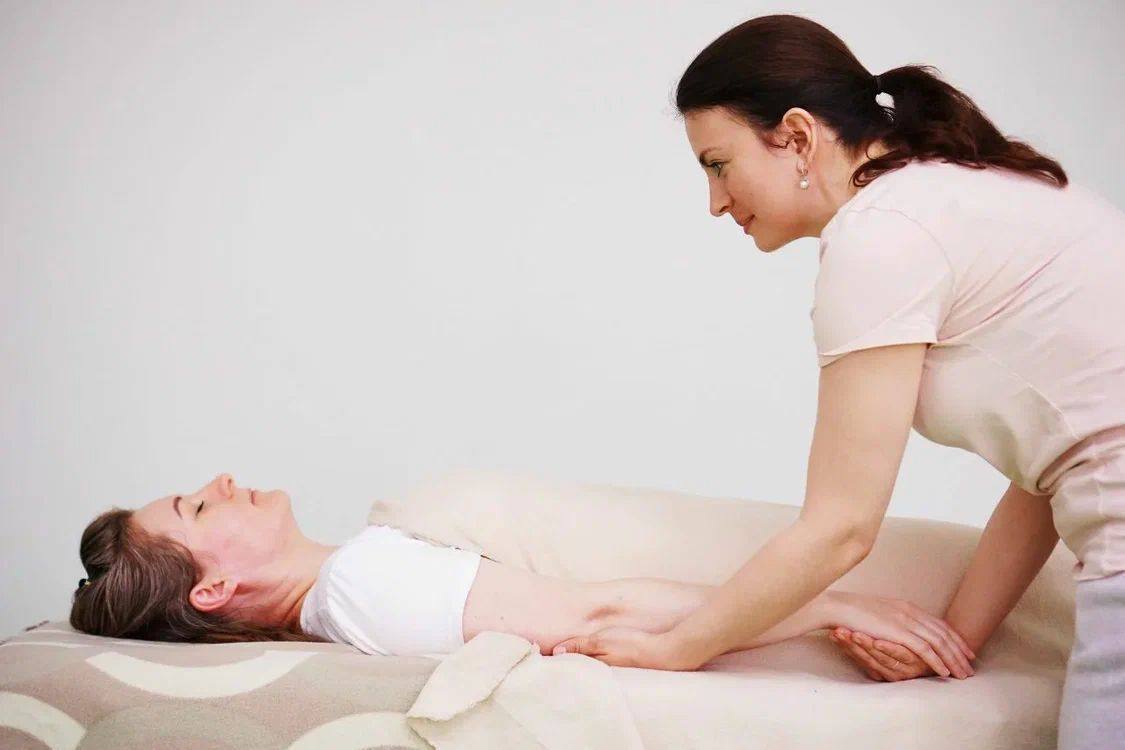
Using very gentle contact, a biodynamic practitioner listens to the rhythmic movements within the patient’s tissues in order to detect and release restrictions or blockages that interfere with the natural flow of bodily fluids that determine the body’s rhythms.
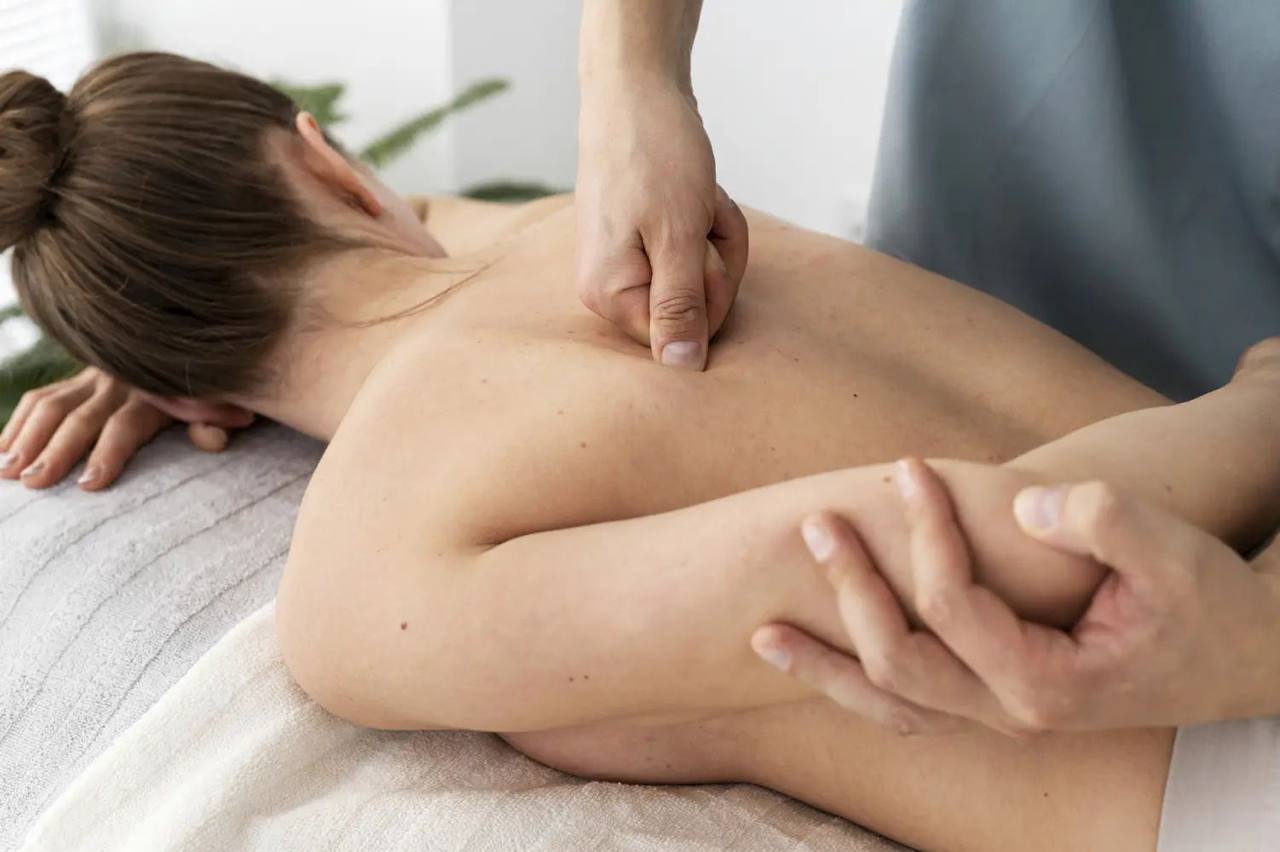
The lighter the touch, the more precise the diagnosis and correction of imbalances can be.
Through refined hand sensitivity, a biodynamic practitioner can help restore the body’s physiological rhythms, normalize fluid circulation, and support the free transmission of nerve impulses.
After biodynamic work, tissues begin to readapt on multiple levels throughout the body’s systems. As a result, mobility in the major joints can improve, metabolic processes may normalize, and optimal conditions are created for the circulation of cerebrospinal fluid that nourishes the brain and spinal cord. This can also support the balance of brain centers responsible for coordinating the musculoskeletal system.
Despite the very light touch, many clients report sensations of warmth, a slowing of time, and a deep sense of calm during sessions. These experiences are often signs that the body has shifted into a restorative mode.
It is within this state that processes of self-regulation begin.
It is important to note that biodynamic sessions are not suitable for everyone at all times.
Based on my experience, a state sometimes perceived as “incurable” may arise when the level of negativity within a person’s internal system significantly outweighs the level of positive resources, and when there is a resistance to acknowledging this condition.
Self-regulation processes are more easily activated in a body where there is balance, inner calm, and a sense of care and respect toward oneself and others. This is our internal resource.
When such a resource is present, the body — as a highly intelligent self-restoring system — is capable of coping with viruses, bacteria, the consequences of injuries, and the effects of stress.