Stretching is not only about increasing flexibility. It is directly connected with the condition of the fascial system — the connective tissue that unites the entire body into one structure.
With insufficient movement, the fascia loses elasticity, the sliding of tissues worsens, and feelings of stiffness and fatigue appear.
With age (already after the age of 30), muscles become less elastic, collagen in the tissues becomes denser, and its synthesis decreases.
If a person does not use the full physiological range of motion in the joints, the tissues “remember” this limited position. Their elasticity, plasticity, and ability to stretch and contract decrease, which means the circulation of fluids in the tissues worsens and metabolic processes slow down.
As a result, swelling, stiffness, and limited joint mobility appear, as well as discomfort in the back and neck after sleep or at the end of the working day. In addition, people with reduced elasticity of the joint ligaments are more prone to injuries.
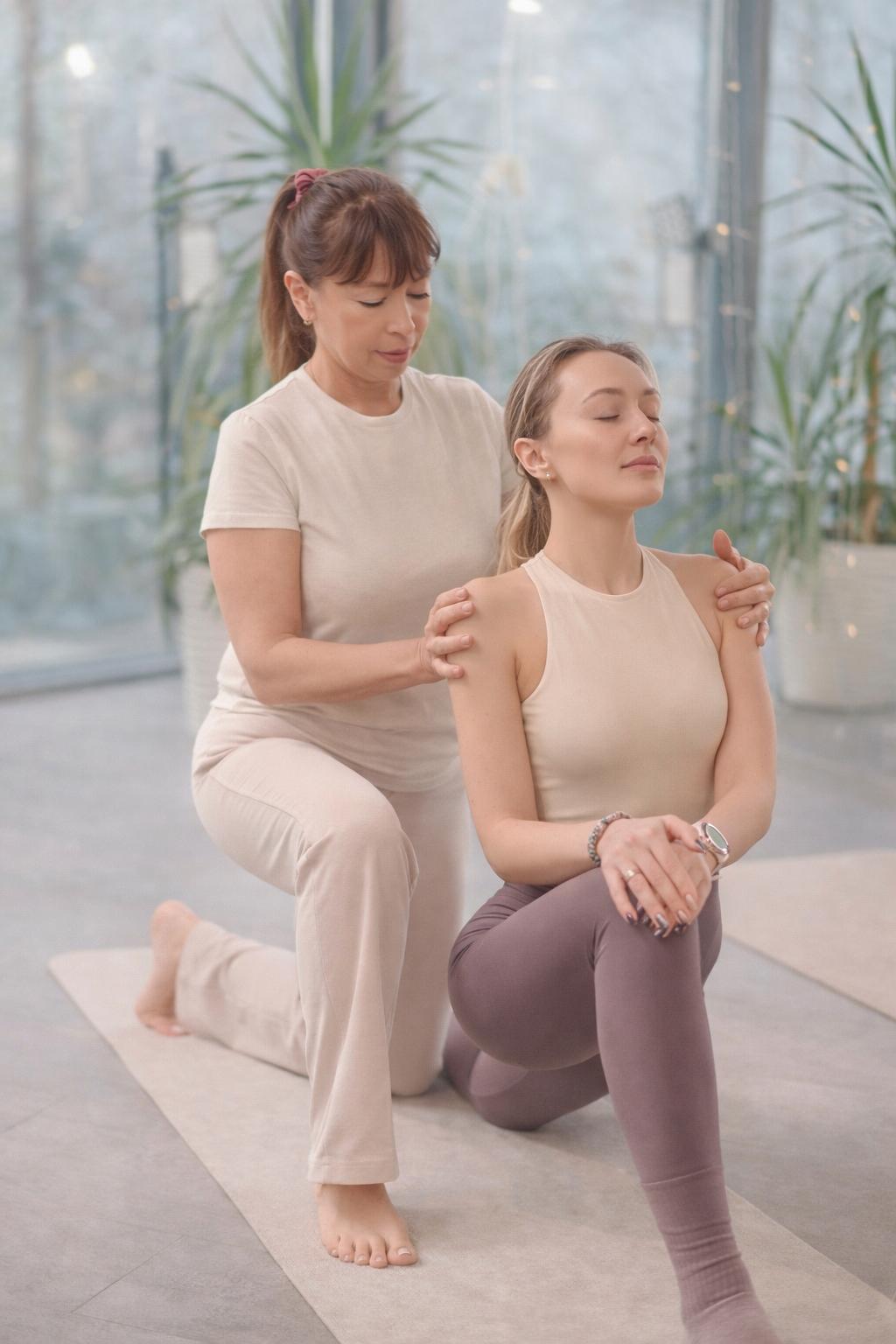
I recommend practicing gentle stretching every day for at least 10–15 minutes. During a properly structured practice, metabolic processes are activated, fluid drainage improves, and stagnation in the tissues decreases.
Fascial stretching helps straighten collagen fibers and activates fibroblasts — the cells responsible for renewing connective tissue. At the same time, the production of hyaluronic acid improves, which positively affects tissue nutrition and skin quality.
A feeling of lightness and mobility appears in the body, which significantly improves emotional well-being.
Working near the threshold of mild discomfort activates endorphin mechanisms that regulate mood, which can be an effective way to help prevent depression.
Therefore, regular stretching is not only about movement — it is also about mental health, recovery, and natural rejuvenation.